

You can follow the construction progress on the new MathSTIC building, which will house the LIPN, LAGA and L2TI laboratories at the Villetaneuse campus of Sorbonne Paris Nord University, on this timelapse.
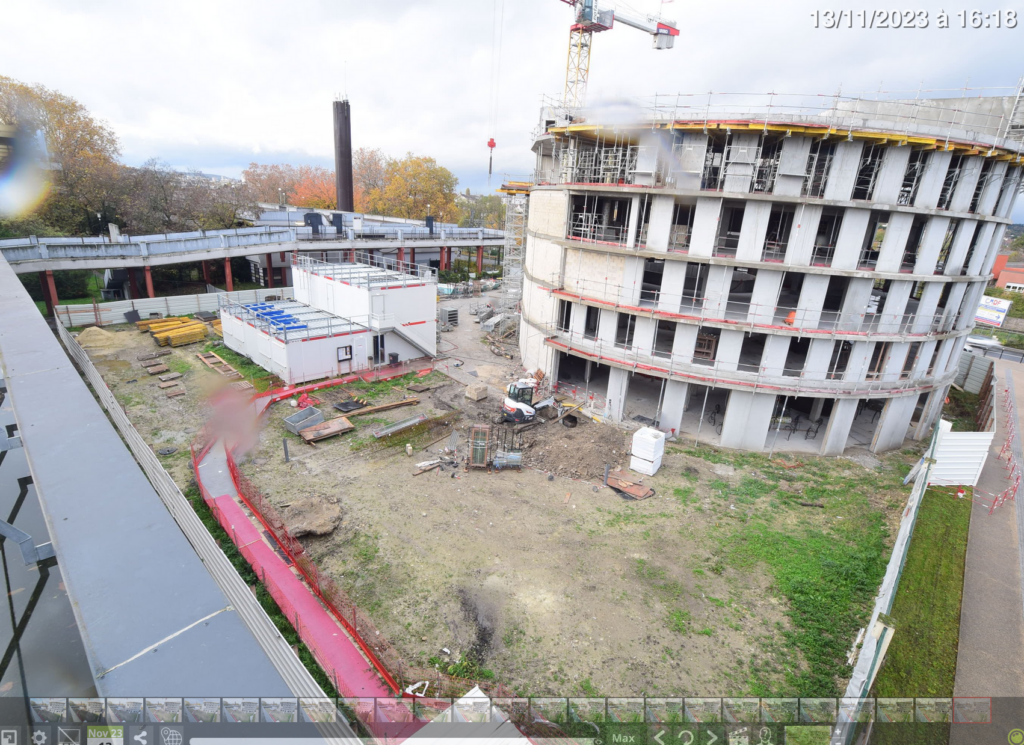
You can follow the construction progress on the new MathSTIC building, which will house the LIPN, LAGA and L2TI laboratories at the Villetaneuse campus of Sorbonne Paris Nord University, on this timelapse.
We are thrilled to welcome Florent Koechlin as a CNRS researcher at @LipnLab
! He’s an expert in analytic combinatorics and focuses on its interaction with automata theory and geometry.

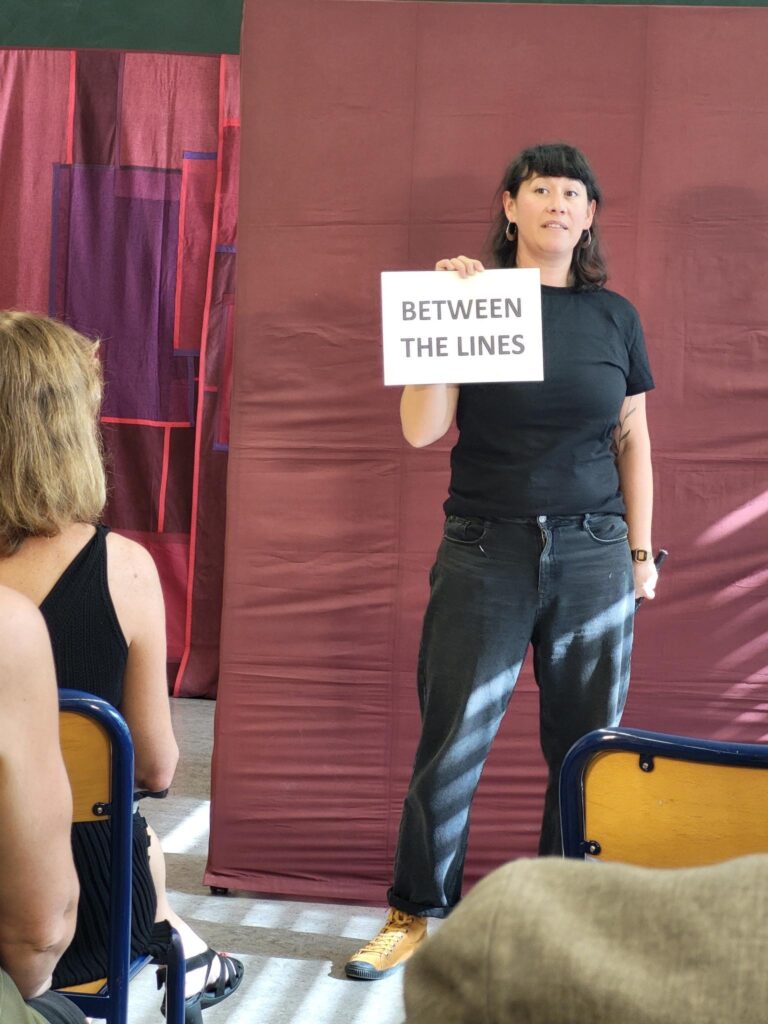
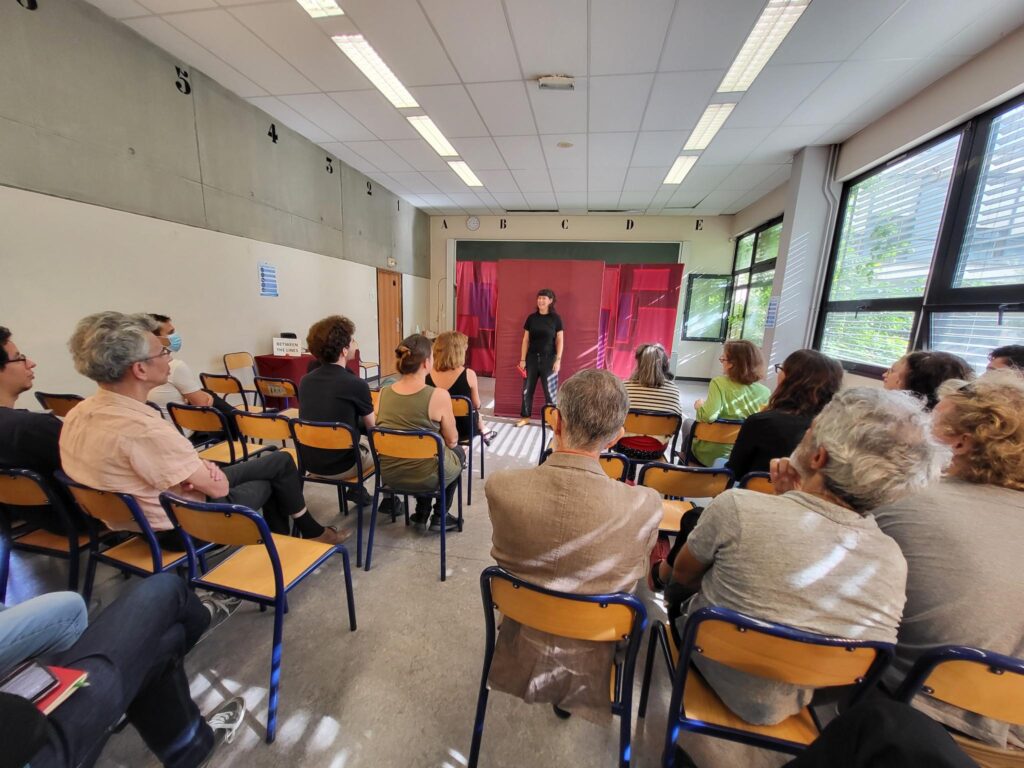
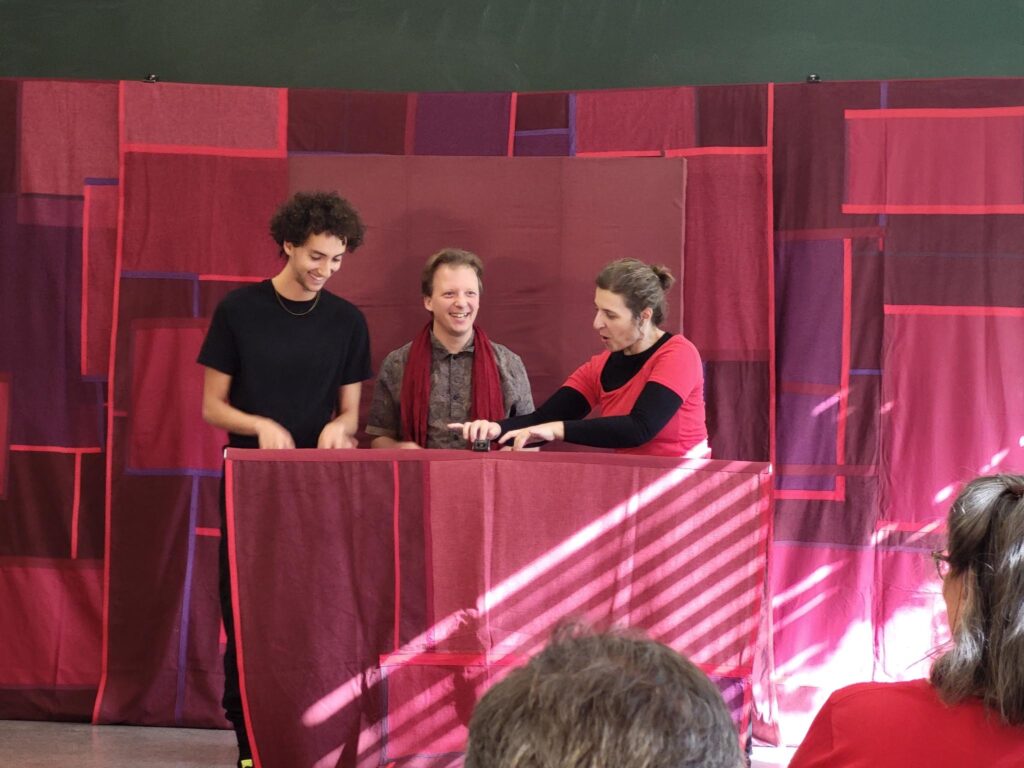
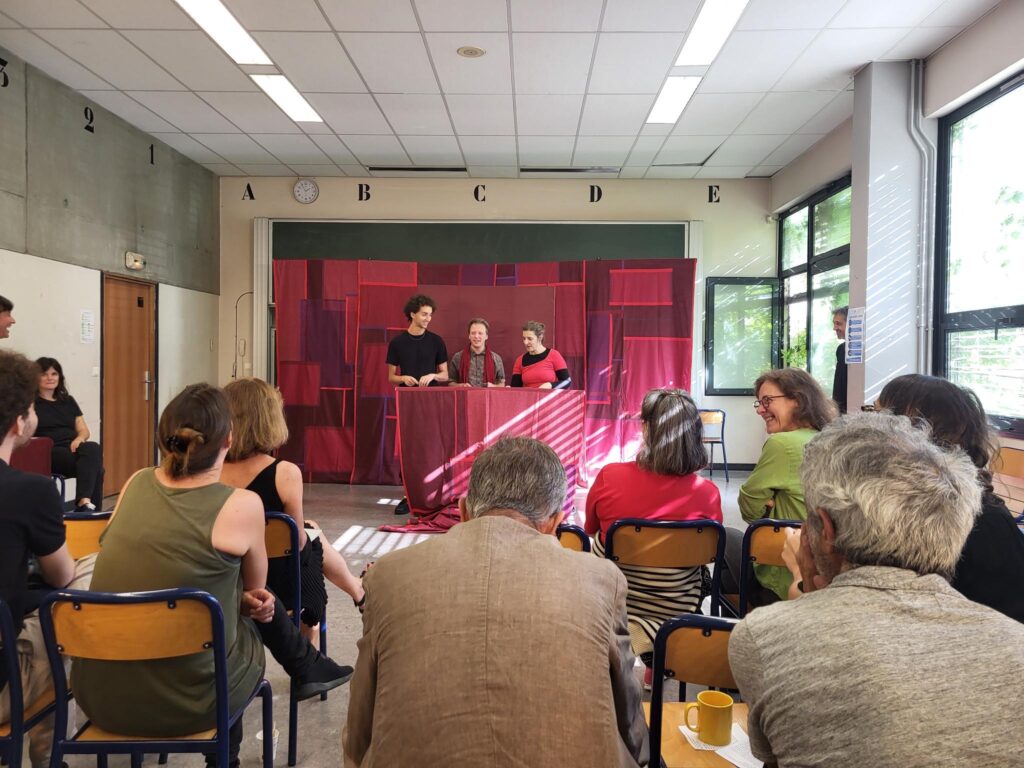
On October 10, the laboratory held its back-to-school day. It was an opportunity to hear from new lab members, announce the year’s news and key deadlines, and take part in a bilingual theater play on inclusion in research.
Recently hired members of our lab gave these presentations:
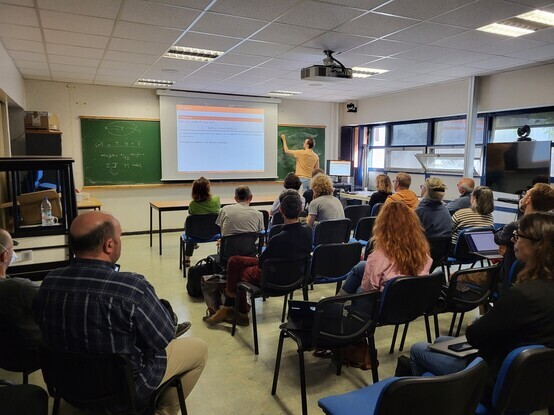
On October 10, during LIPN’s Annual General Meeting, the Entrée de jeu theater company staged a play about parity and academic inclusivity in computer science. The play was staged in collaboration with the IRIF lab.
We are thrilled to welcome Morgan Rogers as an Associate Professor. He is a researcher in category theory, looking for abstractions that isolate the essential features of a solution to a problem.
His specialty is toposes of actions of monoids, but the toolkit is always expanding.
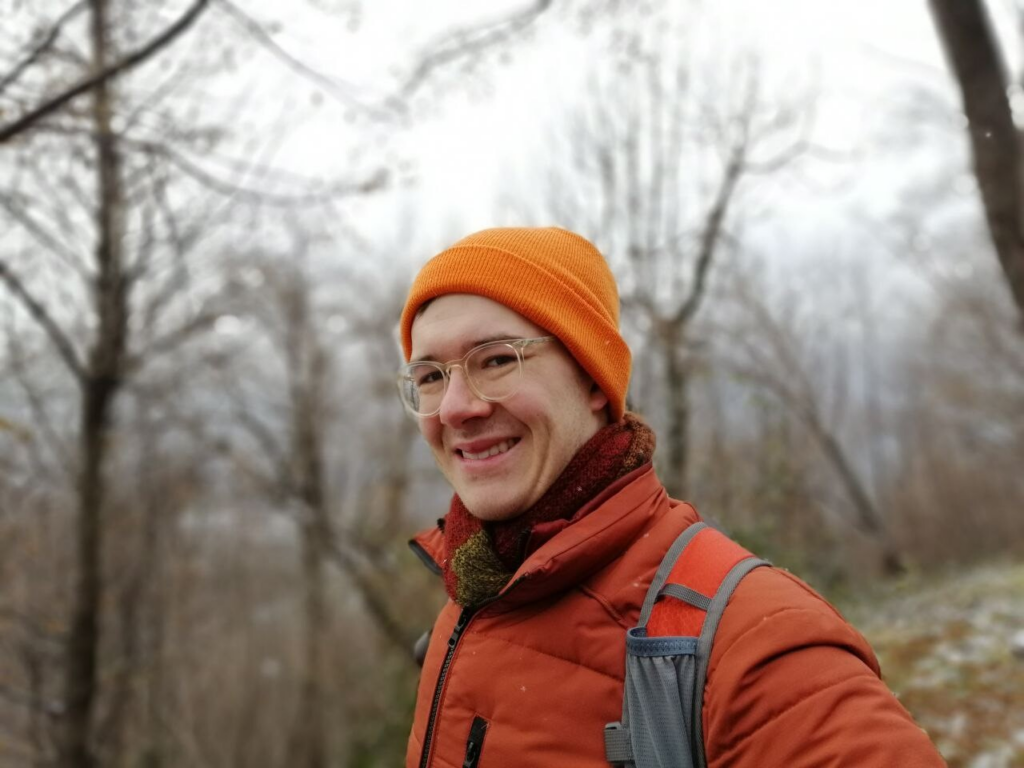
Silvia’s research lies mainly in combinatorial nonlinear optimization. She particularly focuses on problems that have applications in computer vision. Welcome to the LIPN lab, Silvia !

Thomas’ research interests are focused on Artificial Intelligence, covering a range of biomedical applications from diagnosis to de novo drug design. Welcome to the LIPN Lab, Thomas !
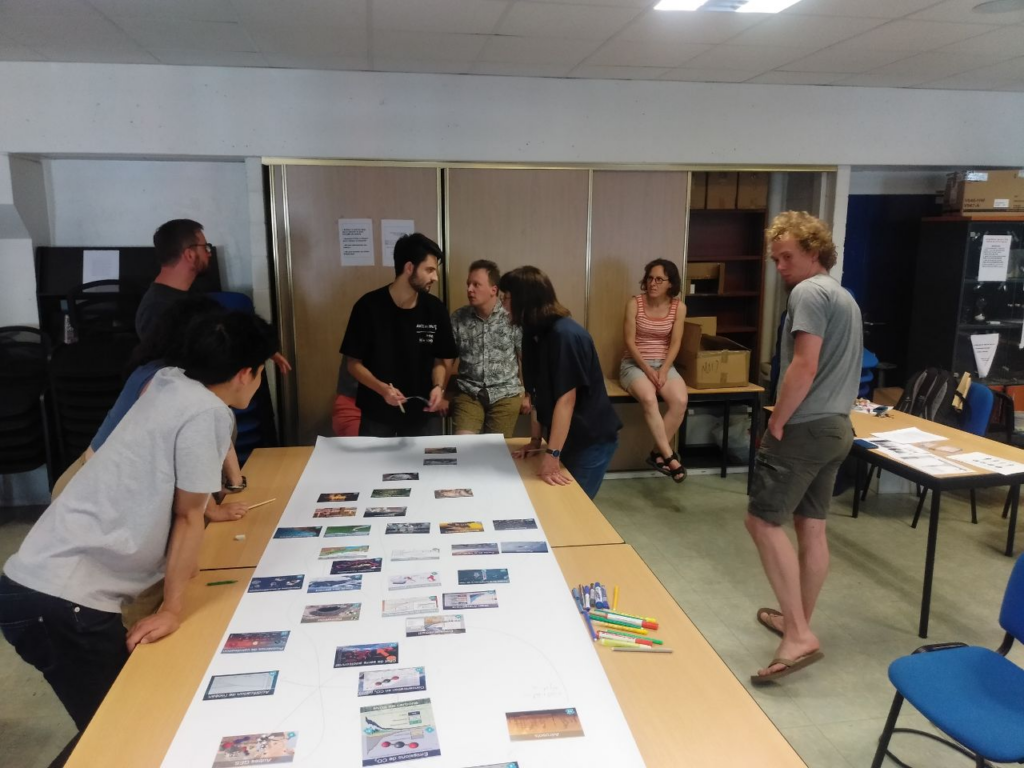
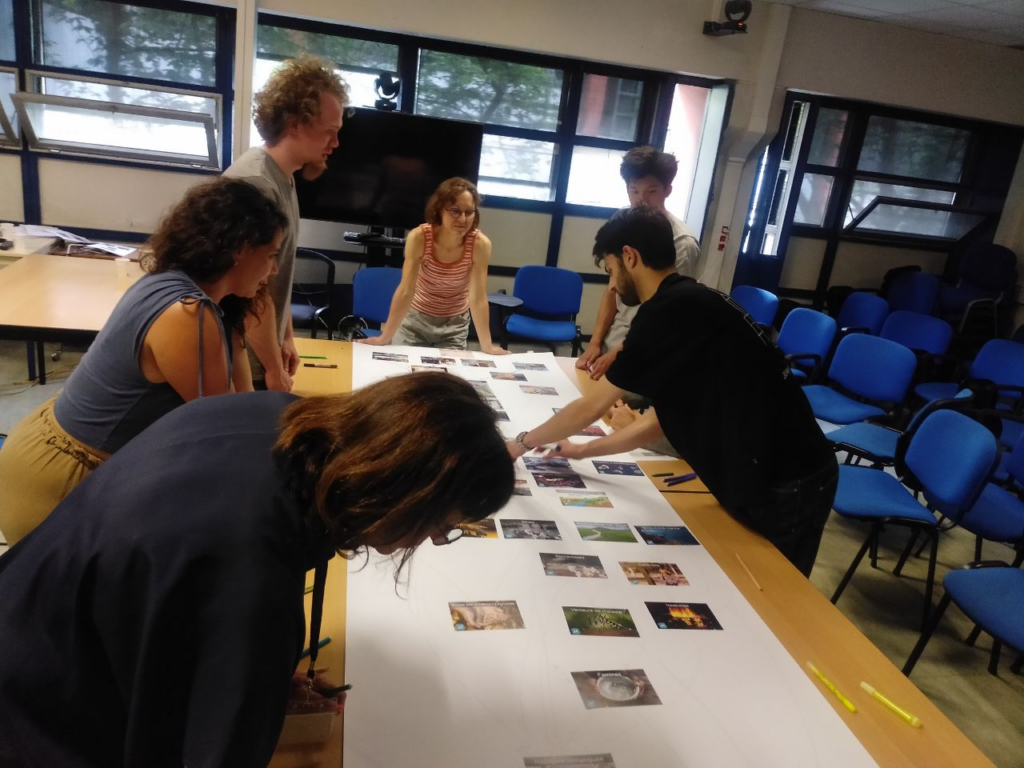
On July 17, the first Climate Fresk took place in room B-107. A fun and educational tool based on data from the IPCC reports, this workshop enabled participants to discuss the scale of the challenges posed by climate change, and to consider ways of taking action.
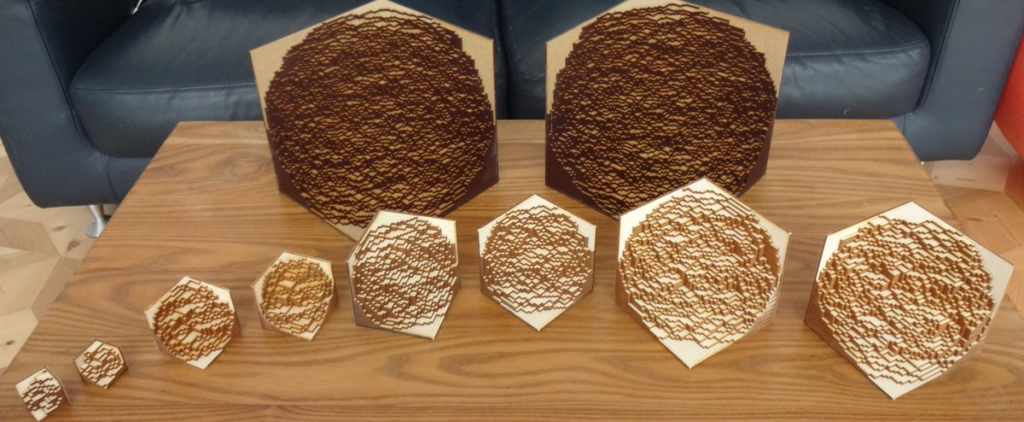
Here’s a wooden creation by Thomas Fernique, CNRS researcher at LIPN Lab. Small cubes are stacked in a large cube so that each stack is at least as high as those to its right and in front of it. In mathematics, this is called a plane partition.
The number of different configurations is gigantic, but the shape of a random one always seems about the same: chaotic inside a kind of circle and as “frozen” outside this circle.
In 1998, H. Cohn, M. Larsen and M. Propp proved that when the ratio of the sides of the large and small cubes grows, the border of the “frozen” zone tends towards a perfect circle: this is known as the “Arctic circle theorem.”